Low Emissions and Electric Forklift Specialists

CALL NOW: 805-765-6099

Archive :

Wiggins eBull

Why Not All Zero-Emission Batteries Are Created Equal

XL Lifts

Zero-emission forklifts are no longer a future concept. They’re already here, working daily in ports, terminals, construction sites, recycling facilities, and industrial yards across the country. But as more fleets transition from diesel and propane to electric, a critical detail is often overlooked:

Not all lithium batteries are the same.

Many buyers assume “lithium-ion is lithium-ion.” In reality, lithium-ion is a category… not a single chemistry. And in heavy-duty, multi-shift material handling environments, battery chemistry can directly impact safety, lifespan, reliability, and total cost of ownership.

At XL Lifts, the Wiggins eBull line uses Lithium Iron Phosphate (LFP) battery chemistry, and that choice is intentional.

Before investing in zero-emission equipment, it’s worth understanding what’s inside the battery powering your forklift. Here’s what fleet managers need to know.

Lithium-Ion Is Not One Technology

When manufacturers say “lithium-ion,” they’re often referring to one of several different chemistries. Two of the most common in industrial equipment and electric vehicles are:

  1. Lithium Iron Phosphate (LFP)
  2. Nickel Manganese Cobalt (NMC)

Both fall under the lithium-ion umbrella and can power electric equipment—but they behave very differently under stress, heat, heavy cycling, and long-term use.

In light-duty applications (like consumer electronics or passenger vehicles) certain tradeoffs may be acceptable. In heavy-capacity forklifts operating in demanding industrial environments, those differences matter far more.

Safety: Thermal Stability Matters in Industrial Environments

Forklifts operating in ports, marinas, recycling yards, and industrial facilities are exposed to harsh conditions: heat, vibration, continuous operation, heavy loads, and sometimes physical impact. In these environments, battery stability is not just a technical specification… it’s a safety issue.

One of the key differences between LFP and NMC lies in thermal stability.

LFP batteries are inherently more resistant to thermal runaway, the condition in which a battery overheats, potentially catching fire or exploding.. LFP chemistry typically requires significantly higher temperatures before combustion risk becomes a concern compared to many NMC systems. That increased thermal threshold provides an additional margin of safety in high-duty environments.

Additionally, LFP chemistry does not rely on nickel or cobalt. This reduces concerns related to material volatility and can contribute to more stable behavior under mechanical stress or overcharging scenarios.

For fleets operating around valuable cargo, infrastructure, vessels, or public areas, reducing fire risk is not optional. It’s a non-negotiable operational requirement. In heavy-capacity forklifts that may run multiple shifts per day, battery chemistry plays a direct role in that risk profile.

When uptime and safety matter, chemistry choice isn’t trivial.

Durability: Cycle Life and Long-Term Resilience

Beyond safety, cycle life is one of the most important differentiators between LFP and NMC batteries.

LFP batteries are widely recognized for their longer cycle life. Depending on operating conditions, LFP systems can deliver significantly more charge/discharge cycles compared to many NMC alternatives. In real terms, that can translate to years of additional usable service life in high-utilization fleets.

Why does this matter?

Heavy-capacity forklifts in ports and industrial facilities often operate across two or even three shifts per day. Frequent charging and deep cycling are normal—not exceptional. In these environments, a battery that degrades more slowly under full-depth cycling provides tangible long-term advantages.

LFP chemistry is also more tolerant of full charge and discharge cycles without requiring strict charging caps. Some battery systems recommend limiting charging to 80–90% to preserve longevity. LFP systems typically allow for greater flexibility without compromising durability.

For fleet managers, that difference isn’t just technical—it impacts:

  • Replacement timelines
  • Maintenance planning
  • Asset depreciation schedules
  • Long-term budgeting

Real-World Longevity vs. Lab Performance

On paper, many battery systems can appear similar. Spec sheets often emphasize peak energy density or short-term performance. But real-world industrial environments tell a different story.

Forklifts in ports and heavy operations experience:

  • Continuous multi-shift usage
  • High-load lifting cycles
  • Heat exposure
  • Outdoor conditions
  • Vibration and impact

Under these conditions, long-term resilience matters more than peak energy density.

The Wiggins eBull line is now in its eighth year of production, with deployments at major ports and industrial operations across the United States. These are not demonstration units. They are fully deployed machines performing daily operational work.

Battery chemistry plays a foundational role in that real-world durability.

Total Cost of Ownership: The Long View

Upfront cost is often part of the purchasing decision… but for heavy-capacity forklifts, total cost of ownership (TCO) is the more meaningful metric.

Battery lifespan directly impacts TCO in several ways:

  • Fewer replacement cycles
  • Lower long-term degradation
  • More stable performance over time
  • Reduced downtime risk
  • Stronger residual value

While some battery chemistries may offer slightly higher energy density, durability over thousands of cycles is often more valuable in industrial settings.

For fleets running high-utilization equipment, the cost of premature battery degradation can far outweigh marginal differences in initial purchase price. Extended cycle life and stable long-term performance reduce uncertainty and support long-range capital planning.

In short, the less often you need to replace a battery, the better your overall economics.

Why Wiggins Chose LFP for the eBull

The decision to use Lithium Iron Phosphate chemistry in Wiggins eBull forklifts was intentional. It reflects the realities of heavy-capacity material handling.

Ports, terminal operators, industrial manufacturers, recycling facilities, and marinas require:

  • Multi-shift reliability
  • Long battery life
  • Reduced safety risk
  • Predictable performance

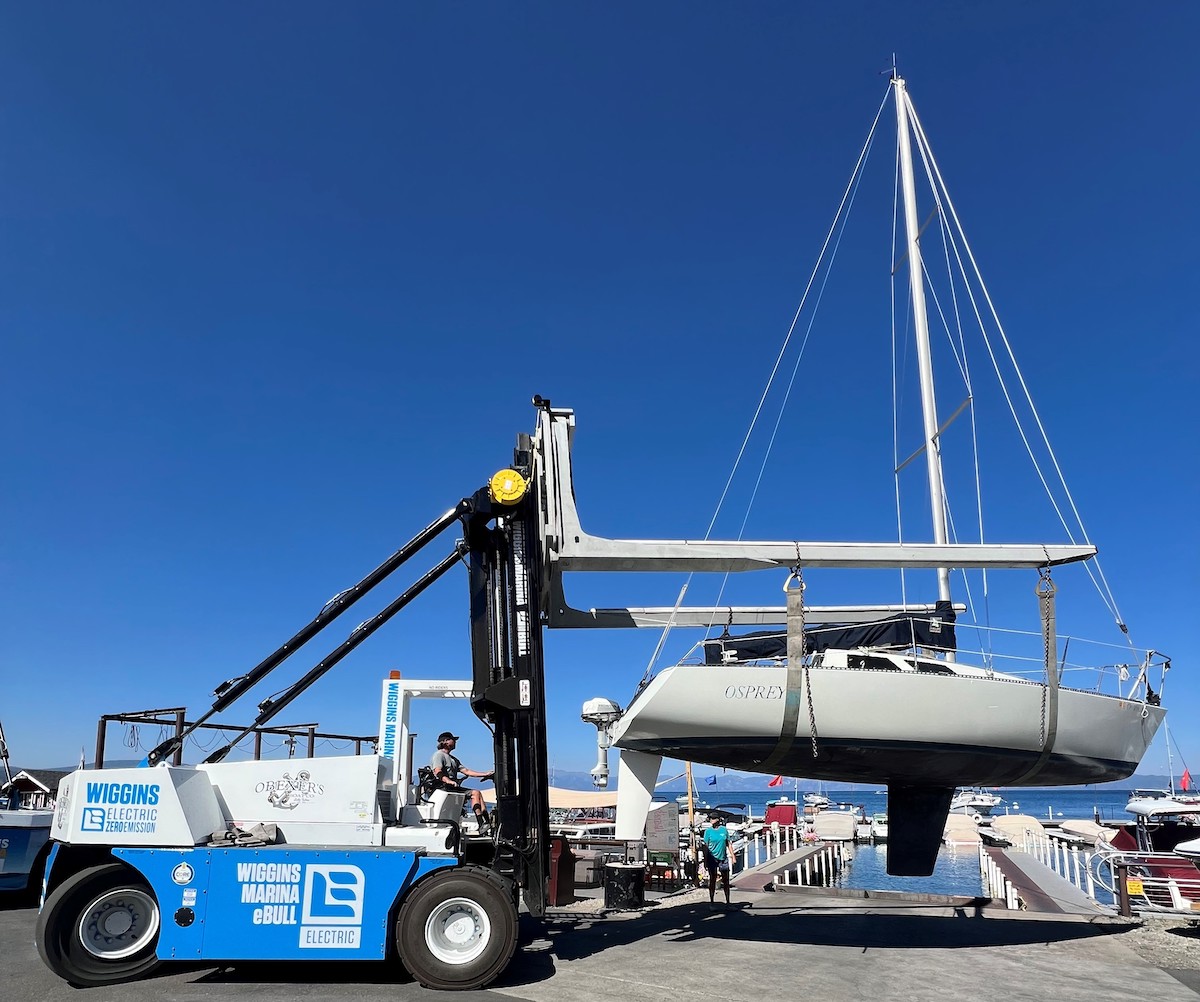
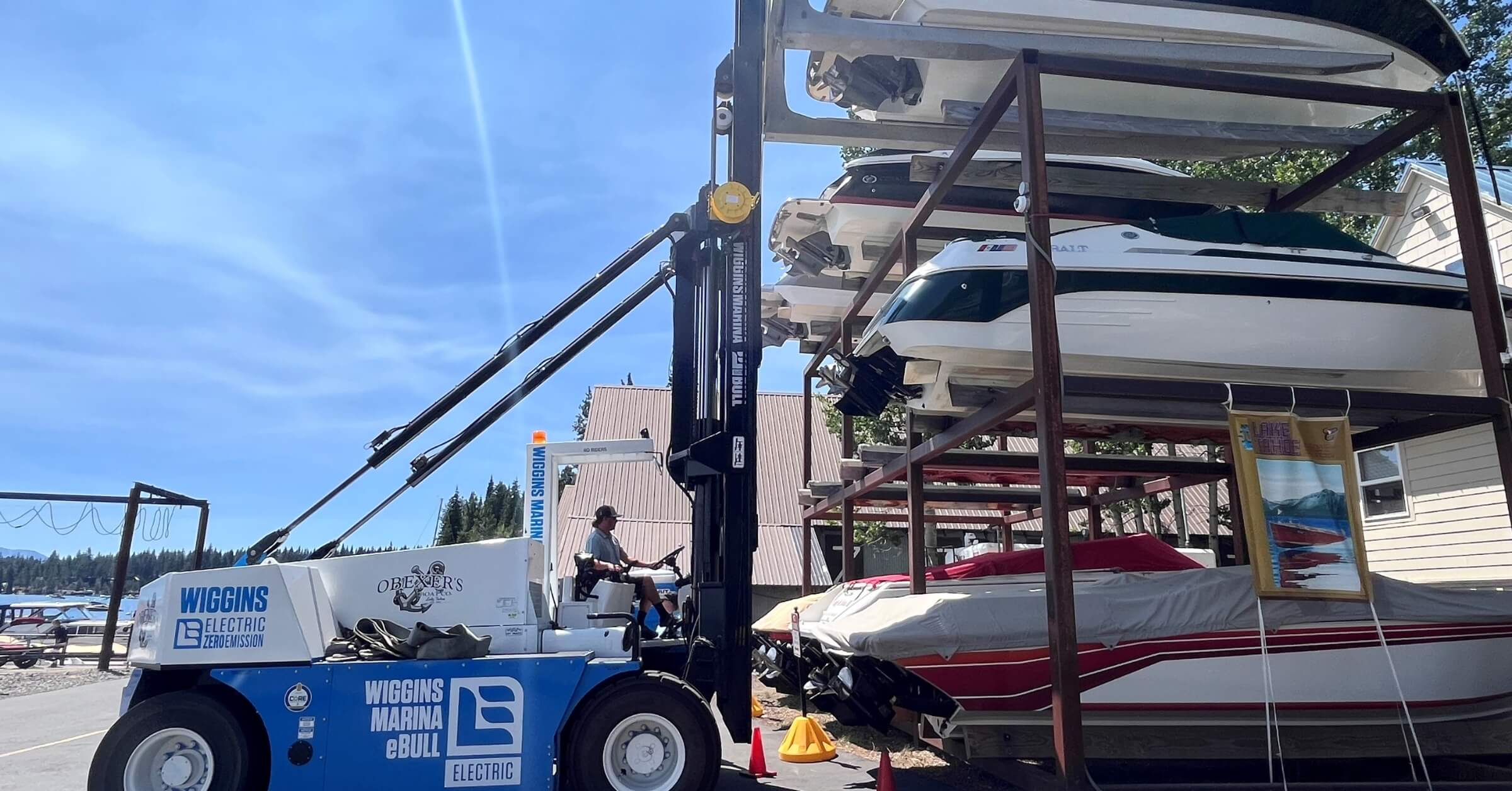
The Wiggins eBull line, distributed by XL Lifts, is engineered specifically for these environments. With lifting capacities ranging from 10,000 to 120,000 pounds, these forklifts are designed for serious work—not light-duty applications.

By pairing heavy-capacity engineering with LFP battery chemistry, Wiggins delivers zero-emission forklifts built for sustained industrial use.

This is about more than regulatory compliance. It’s about deploying electric equipment without operational compromise.

Not All Zero-Emission Batteries Are Created Equal

As more fleets transition to electric, battery chemistry will increasingly separate durable, industrial-grade equipment from lighter-duty alternatives.

Zero-emission forklifts are not interchangeable. The chemistry inside the battery affects safety margins, service life, and long-term value.

If your operation runs multi-shift schedules, lifts heavy loads, or operates in demanding environments, understanding the difference between LFP and other lithium chemistries is essential.

At XL Lifts, we work with customers to deploy proven zero-emission forklifts designed for real-world performance. If you’re evaluating electric options or exploring grant funding opportunities, our team can help you assess the right solution for your fleet.

Because when it comes to zero-emission equipment, what’s inside the battery matters just as much as what’s outside.

Explore the Wiggins eBull lineup — and contact our team to discuss your fleet’s needs.

SSA Marine

XL Lifts Spotlights Zero Emissions Transition at Port of San Diego

XL Lifts

In an exciting development for sustainable maritime operations, SSA Marine has unveiled its groundbreaking initiative at the Port of San Diego’s Tenth Avenue Marine Terminal. This marks a significant step towards a cleaner, more sustainable future, with the introduction of the first out of six pieces of zero-emissions cargo handling equipment over the next 12 to 18 months. This initiative is not only a leap forward in environmental stewardship, but also sets a new benchmark for ports nationwide in the adoption of green technologies.

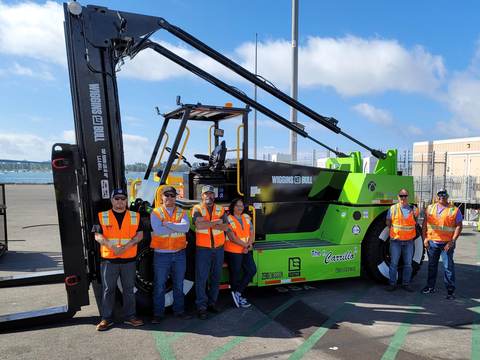
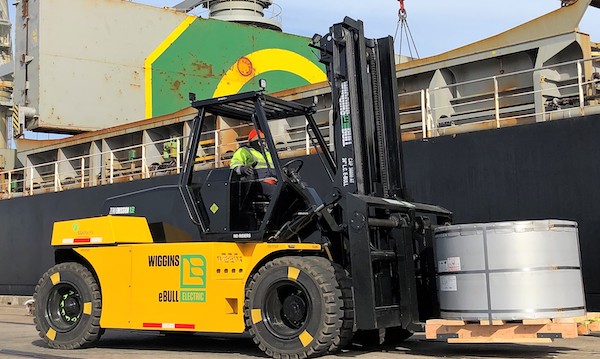
The debut of a 55,000-pound capacity Wiggins Yard eBull battery electric forklift, aptly named “The Carrillo,” signals a pivotal moment in the industry. This electric forklift was supplied by XL lifts, and is one of the largest of its kind in the United States. It’s capable of lifting to 25 metric tons and represents the forefront of zero-emissions technology in heavy-duty cargo handling. 

The Carrillo honors Joe Carrillo, SSA Marine’s Regional Vice President and a native of San Diego County, who played a crucial role in the adoption of large-capacity electric forklift fleets across the country, underscoring the port’s commitment to innovation and sustainability.

SSA Marine’s leadership in transitioning to low and zero-emissions technology at marine terminals showcases the potential for significant environmental impact reductions within the industry. The collaboration with the Port of San Diego has been instrumental, with the port completing the initial installation of the necessary electrical infrastructure to support this advanced equipment. This partnership reflects a shared vision for enhancing public health and the quality of life around marine terminals.

The Port of San Diego, recognized for its efforts to foster efficient, modern, and sustainable maritime operations, is an exemplary model of how ports can balance industrial activity with environmental responsibility. 

This venture is partially funded by California’s Clean Off-Road Equipment (CORE) voucher program, highlighting the role of state support in facilitating the transition to cleaner energy solutions. You can learn more about CORE funding for your own forklifts by clicking here. 

As we celebrate this milestone, XL Lifts is proud to spotlight the achievements of SSA Marine and the Port of San Diego. Their dedication to reducing emissions and setting new standards for eco-friendly operations is inspiring. The Wiggins Yard eBull electric forklift stands as a testament to what’s possible when innovation meets determination to protect our planet.

For more information on how XL Lifts is contributing to the zero-emissions movement and helping ports and businesses adopt sustainable practices, we invite you to reach out. You can also click here to learn more about the Wiggins Yard eBull battery electric forklift.

Rough Terrain Forklift

Benefits & Advantages of a True 2WD Rough Terrain Forklift

XL Lifts

When it comes to material handling, efficiency and adaptability are crucial. Especially in challenging off-road environments that are common in industries like agriculture and construction. 

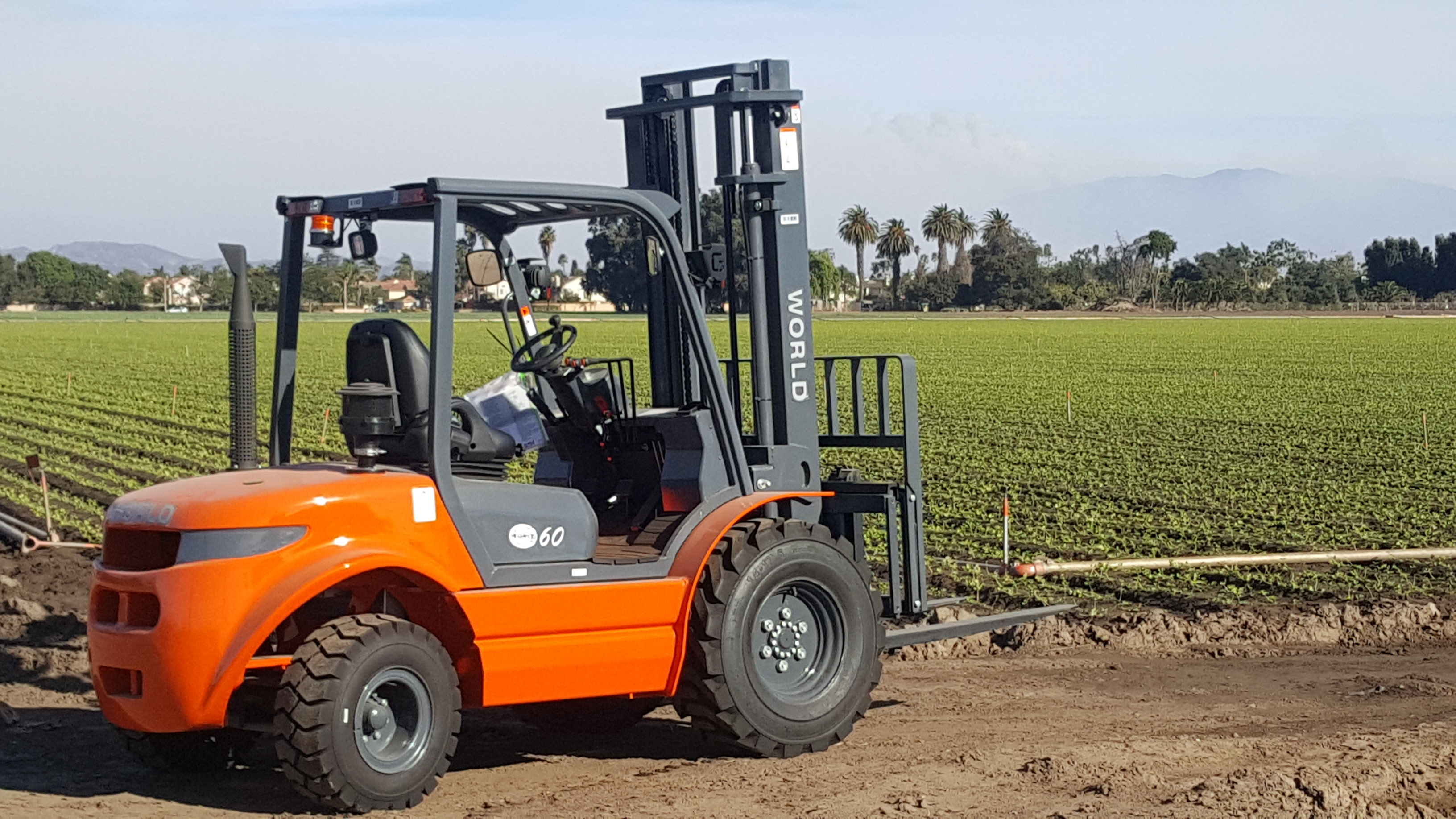
A true 2WD rough terrain forklift can be a powerful solution for these industries. Below, we’ll explore the unparalleled benefits of a true 2WD rough terrain forklift, and highlight the distinctions that set it apart. We’ll focus specifically on the 2WD rough terrain forklift by World, distributed by XL Lifts.

2WD Rough Terrain Forklift Benefits

A Perfect Blend of Power and Agility 

Imagine navigating a field of uneven, compacted sand with a load of hay bales. A 2WD rough terrain forklift is specifically designed for such scenarios. It provides the optimal blend of power and agility, allowing you to confidently traverse challenging surfaces like gravel, hard-packed sand, or grassy fields. 

The key lies in its efficient drivetrain. Unlike its 4WD counterparts, the 2WD system sheds unnecessary weight and power, resulting in a nimble machine that excels in situations requiring precise maneuvering and quick turns. 

This translates to increased productivity as operators can navigate tight spaces and uneven terrain with greater ease, minimizing downtime and maximizing efficiency.

Cost-Effective Without Compromising Quality 

When it comes to rough terrain forklifts, budget is often a significant consideration. The beauty of the 2WD option lies in its ability to deliver outstanding performance without the hefty price tag associated with 4WD models. 

2WD rough terrain forklifts, like the World 2WD with lifting capacities of 4,000 lbs., 6,000 lbs., and 8,000 lbs., offer the versatility you need to handle a wide range of tasks. But don’t be fooled by the price tag – these machines are also built to last, boasting many of the same high-quality components found in more expensive models. 

Tier 4 EPA/CARB compliant engines from renowned manufacturers like Doosan, Mitsubishi, and PSI ensure reliable operation and minimize emissions. This translates to a smart investment, allowing you to maximize your return on investment without compromising on quality or performance.

Designed for the Demands of Rough Terrain 

The unforgiving nature of rough terrain demands a forklift specifically designed to conquer its challenges. 

The World 2WD rough terrain forklift rises to the occasion with its robust construction. A wider chassis gives this lift optimal weight distribution, a critical factor when navigating uneven surfaces and maintaining stability with a load. 

Elevated ground and mast clearance provide exceptional maneuverability, allowing the forklift to effortlessly traverse obstacles and uneven terrain without getting bogged down or damaging cargo. 

This translates to increased safety for your operators and the materials being handled, minimizing the risk of accidents and costly downtime.

Smaller Footprint, Big Performance 

One of the most distinctive features of the 2WD World Rough Terrain forklift is its compact footprint. This might seem counterintuitive for a powerful off-road machine, but it’s a game-changer in industries like agriculture and construction, where space is often a precious commodity. 

The smaller size allows for superior maneuverability in confined spaces, allowing operators to navigate narrow aisles, tight corners, and around obstacles with exceptional ease. This translates to increased efficiency and productivity, especially in applications where precise movement and handling are essential. 

Despite its compact size, the 2WD forklift retains its impressive lifting capacity, ensuring you don’t have to sacrifice power for agility.

Bottom Line

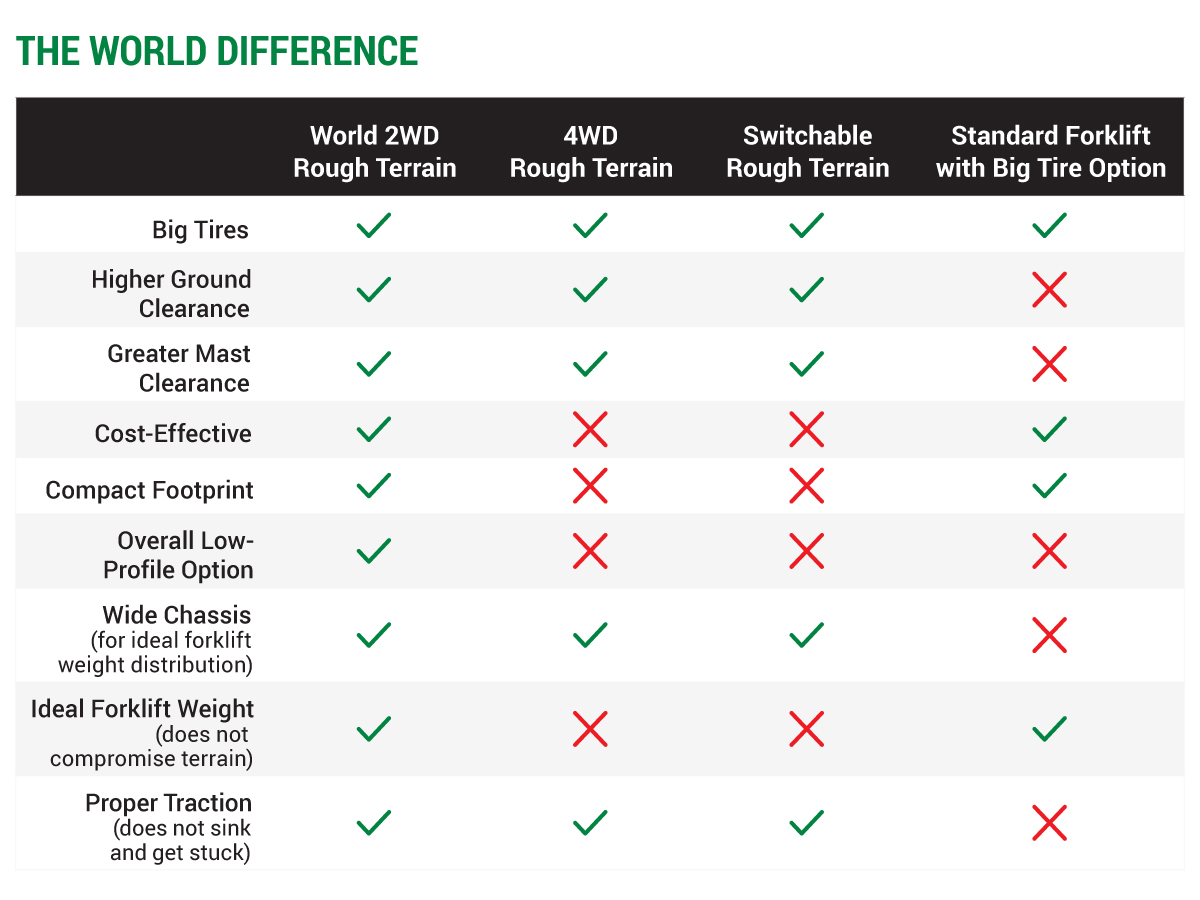
From cost savings to greater maneuverability, 2WD forklifts offer many advantages over their 4WD counterparts, especially in rough terrain. Looking at the World 2WD Rough Terrain lift specifically, you can see some of these advantages compared to its peers by looking at the comparison chart below:

XL Lifts is not only a proud master distributor of this innovative forklift line but also offers a unique dealer program in the Western United States. 

So whether you’re looking to expand your dealership offerings or you’re a potential customer in need of a TRUE 2WD rough terrain forklift, XL Lifts can guide you through the process to ensure that you have access to equipment that will transform the way you work.

If you’re a potential customer who wants more information on the World 2WD Rough Terrain forklift, click here to contact us. 

To inquire about becoming a dealer, click here. 

Wiggins eBull H2

Lithium Ion Batteries vs Hydrogen Fuel Cells – What’s Best for Your Forklift Fleet?

XL Lifts

As the world shifts towards sustainable energy solutions, the debate between lithium ion batteries and hydrogen fuel cells intensifies. 

However, it’s rare for this debate to focus specifically on forklifts, which is what we want to do today. 

Below, we’ll explore the merits of both options when it comes to forklift technology specifically, and why the answer to the hydrogen vs. lithium debate might not be as straightforward as it seems.

Lifespan and Sustainability

When it comes to material handling equipment like forklifts, the lifespan of power sources takes center stage. Here, hydrogen fuel cells tend to shine. Unlike lithium batteries, which undergo degradation over time, hydrogen fuel cells maintain their efficiency as long as a hydrogen supply is available. 

This unceasing reaction with oxygen to generate electricity makes hydrogen a steadfast choice, especially in the high-intensity demands of warehouses and distribution centers.

The extended lifespan of hydrogen fuel cells also reduces the frequency of replacements, which itself contributes to sustainable operations. 

Environmental Considerations

While lithium ion batteries are hailed as eco-friendly, the process of mining lithium has significant environmental implications. Similarly, hydrogen fuel cells require resources like platinum, aluminum, and iridium, which contribute to their carbon footprint.

Hydrogen’s sourcing also raises concerns, as “green” hydrogen from renewable sources is ideal but not always practical. On the other hand, batteries are dependent on minerals often sourced through mining, raising ethical and environmental concerns.

So while both energy sources are a step in the right direction for zero emissions, there are still important environmental implications to weigh. 

Energy Density and Range

When it comes to energy storage density, hydrogen fuel cells again take the lead, boasting a superior energy-to-weight ratio compared to lithium ion batteries. This advantage directly translates into extended range capabilities, a vital aspect in optimizing the efficiency of forklift operations within ports, warehouses and industrial settings. 

Also, fuel cells’ compact and lightweight nature further enhances their compatibility with heavy-duty machinery, ensuring seamless integration without compromising on performance.

Lithium’s Many Benefits

So far, it would appear hydrogen fuel cells present an impressive array of benefits. But it’s important to acknowledge that lithium ion batteries also hold their place in the realm of clean energy solutions. 

For applications where compact size and ease of installation are paramount, lithium batteries are especially beneficial. Their ability to fit into smaller spaces and adapt to diverse settings makes them ideal for certain environments. 

Plus, the technology surrounding lithium ion batteries is advancing rapidly. Developments in energy density and extended lifespans continue to enhance their appeal. 

Synergy and Future Prospects

Both hydrogen and lithium-powered forklifts undeniably have their advantages and drawbacks. However, in today’s dynamic landscape, the choice between these two technologies often boils down to the specific needs and operational context of your business.

For forklift applications, your decision may hinge on the precise operational requirements you face. Lithium-ion batteries, for instance, provide instantaneous power, making them well-suited for shorter bursts of activity. On the other hand, hydrogen fuel cells shine in scenarios demanding prolonged operation and quick refueling capabilities.

Why a Hybrid Approach Delivers the Best of Both Worlds

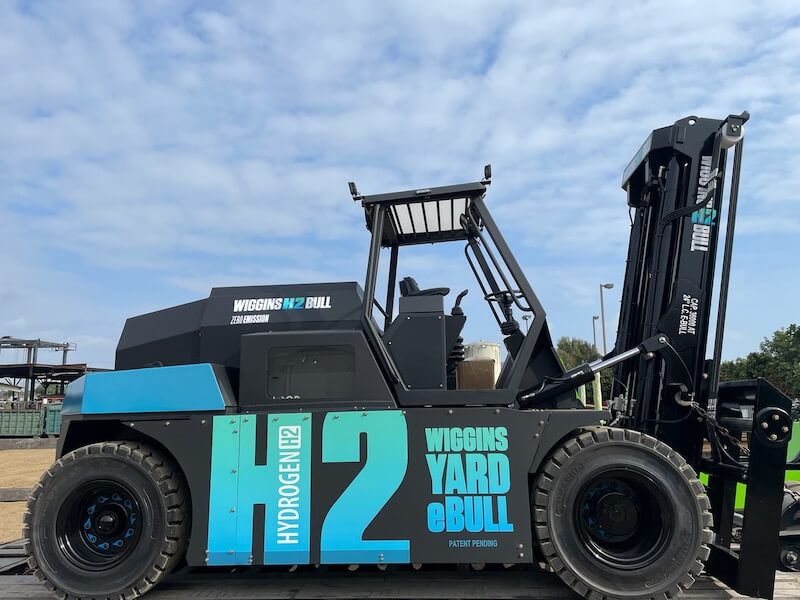
Rather than framing this as a competition between the two technologies, it’s crucial to adopt a holistic perspective that recognizes their individual strengths. At XL Lifts, we’re taking this comprehensive approach a step further by offering forklifts that integrate both lithium-ion batteries and hydrogen fuel cells into our cutting-edge forklift units.

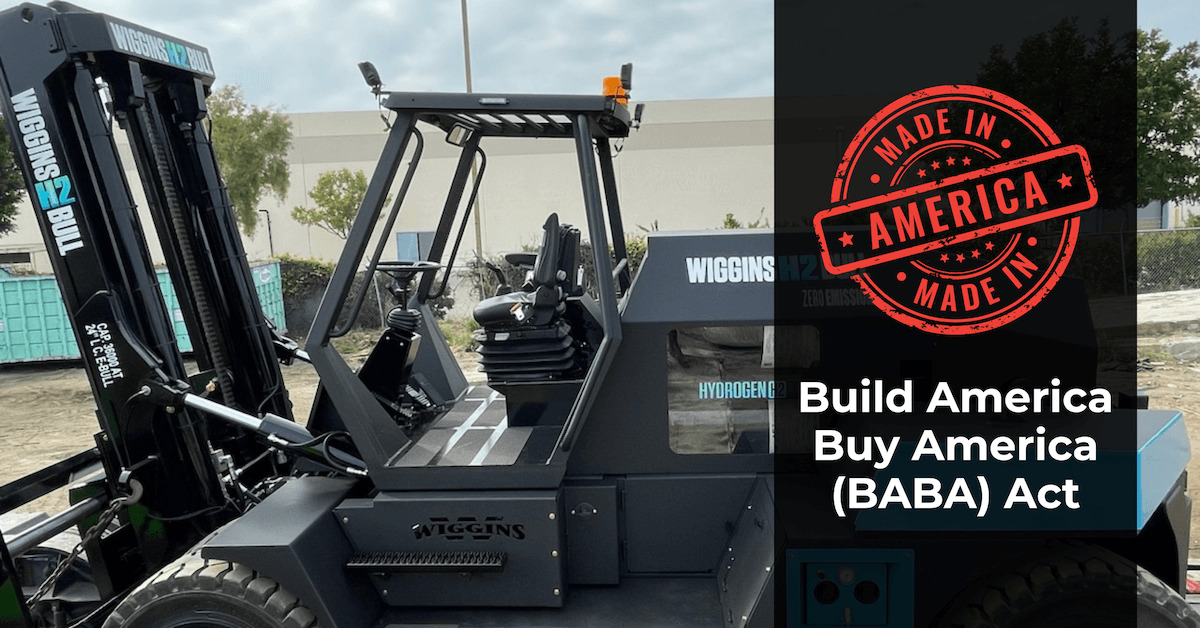
In the end, our stance is that the future lies in combining the benefits of both technologies. That’s why in addition to our pure lithium-ion forklifts, we also offer hybrids, harnessing the power of both batteries and hydrogen to maximize efficiency. This innovative hybrid model optimizes forklift performance, ensuring it aligns perfectly with your operational needs. While running purely on hydrogen can be cost-prohibitive today, our hybrid solution offers a pragmatic and forward-thinking approach.

While hydrogen costs remain a concern, our hybrid forklifts provide a practical solution that leverages the strengths of both technologies.As technology continues to advance, we anticipate that the cost of hydrogen will eventually become more competitive. In the meantime, our hybrid forklifts empower your business to operate efficiently, reduce emissions, and remain agile in a rapidly changing landscape.